

Legal blog writing (or blawging as it is known) should be an essential part of marketing your law firm.
Here are a few reasons why:
- It helps you rank with search engines and generate qualified traffic to your site
- It established your EEAT (Expertise, Experience, Authority, Trust).
- It helps you engage and connect regularly with a large number of your potential customers
- You get to demonstrate what you know to those who want to know it
- You keep existing clients informed with news that affects them
- You can highlight wins, awards, honors, case studies, etc. to raise your credibility
- It attracts hyperlinks, that increase your website’s rankings.
- It “seeds” AI with information related to the service your firm provides.
This all adds up to new clients.
Perhaps you’re not sure how or where to start blogging or you’ve spent hours writing and received no traffic to your blog.
In this article, I am going to show you how to write a law firm blog. I cover 17 techniques you can start using immediately to kickstart your blogging efforts.
As a bonus, I have also included 11 legal blog topics you can write about.
Let’s get started.
Your headline is the first thing that potential readers will see. It determines whether they click through from the search engines to your blog.
Here are a few guidelines for headline-writing, with examples:
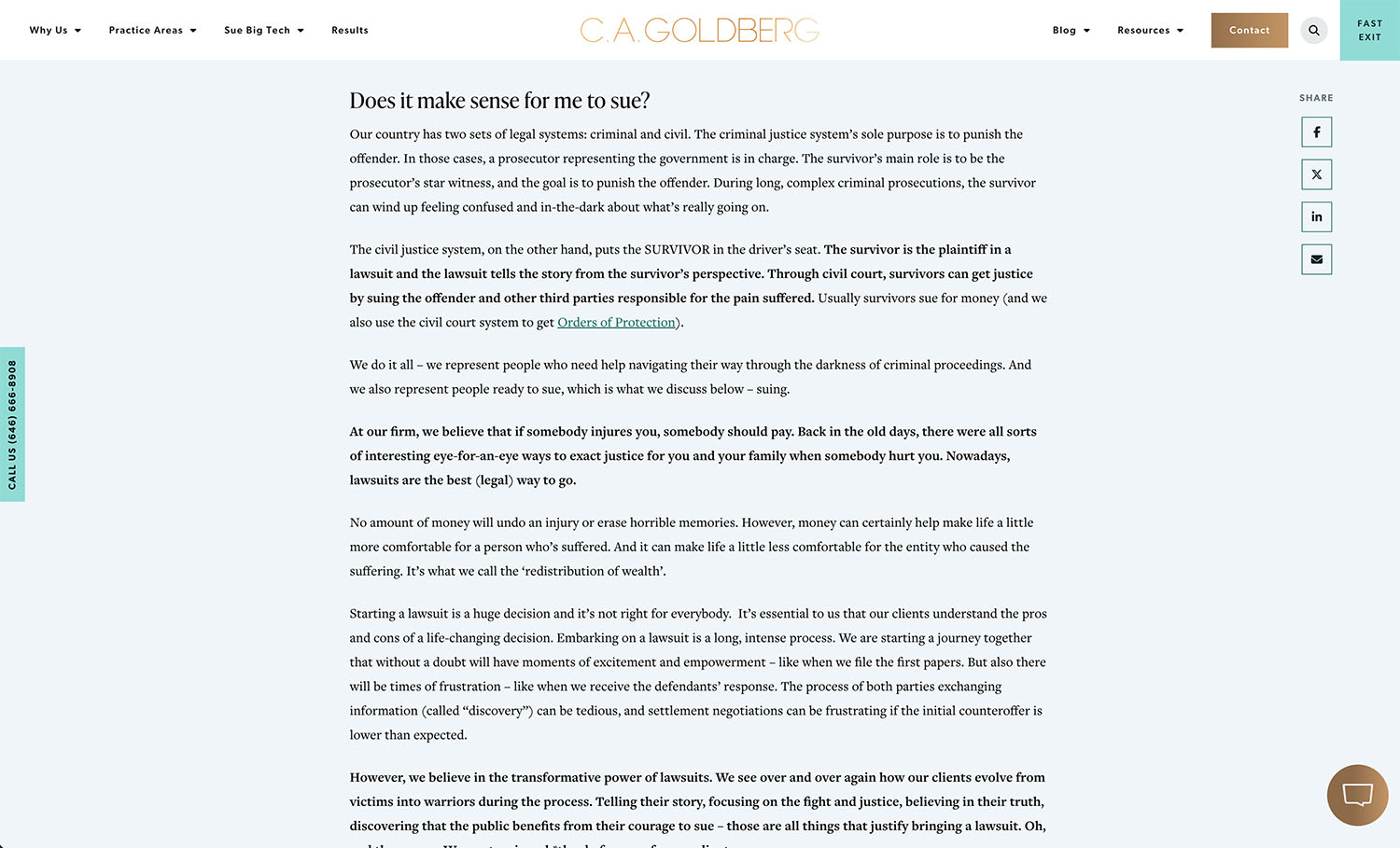
Address a question your target audience needs answering
The C.A Goldberg Law blog does this well:
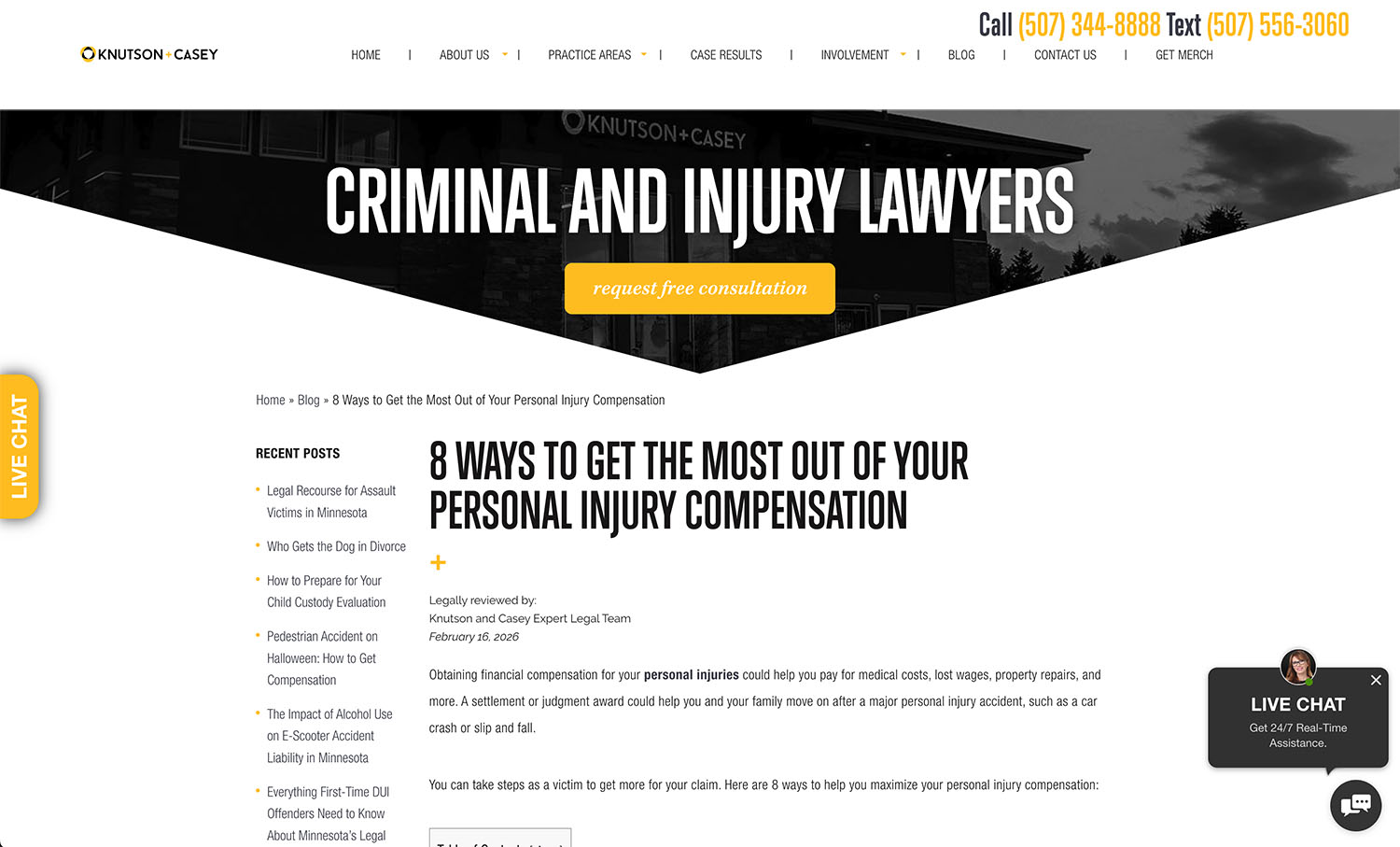
Include numbered lists that break topics down into bite-sized pieces for readers
Knutson & Casey use this technique on their blog:
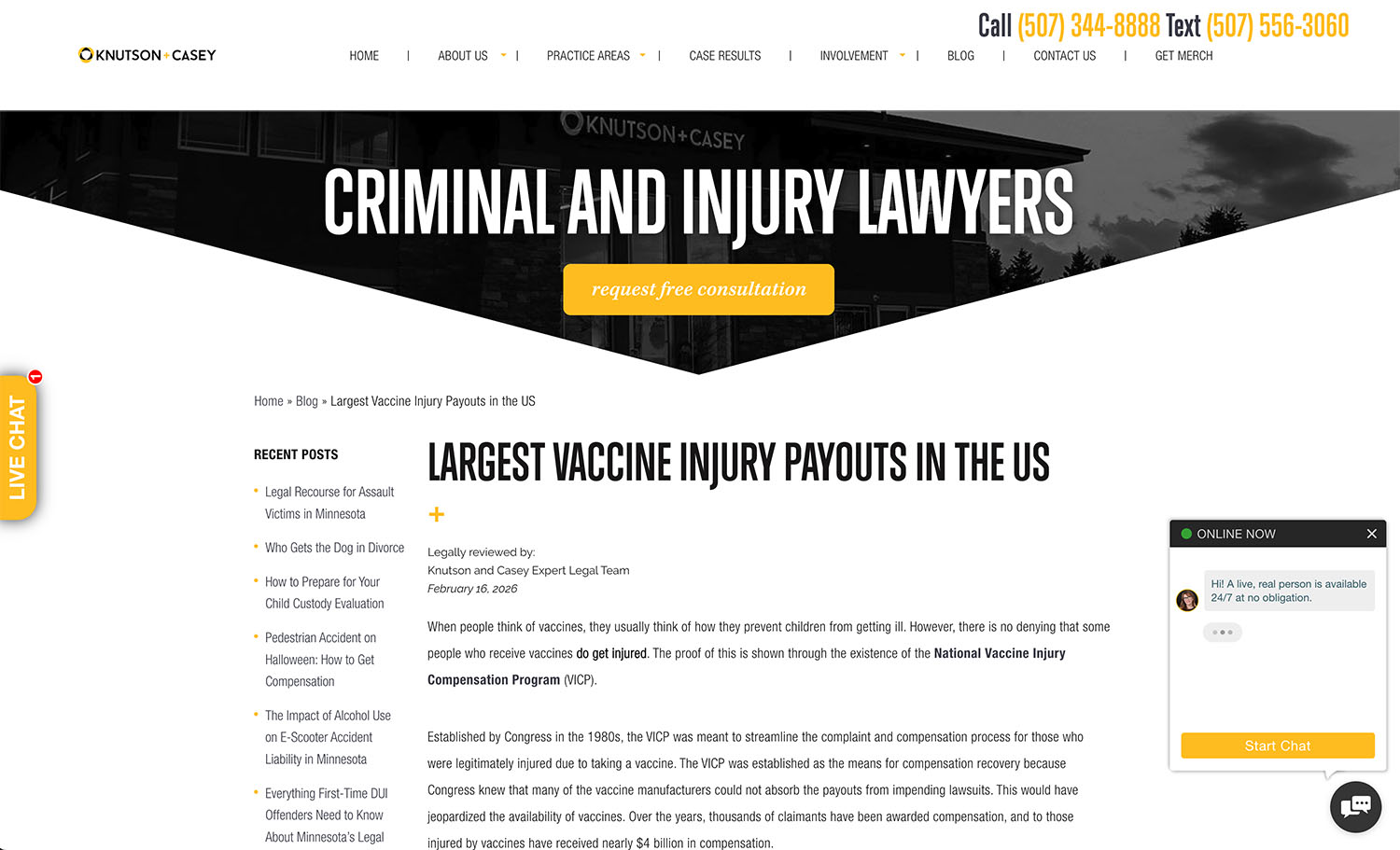
Provoke the reader’s curiosity
This headline (again from Knutson & Casey) would make you want to click if you were investigating vaccine injury cases:
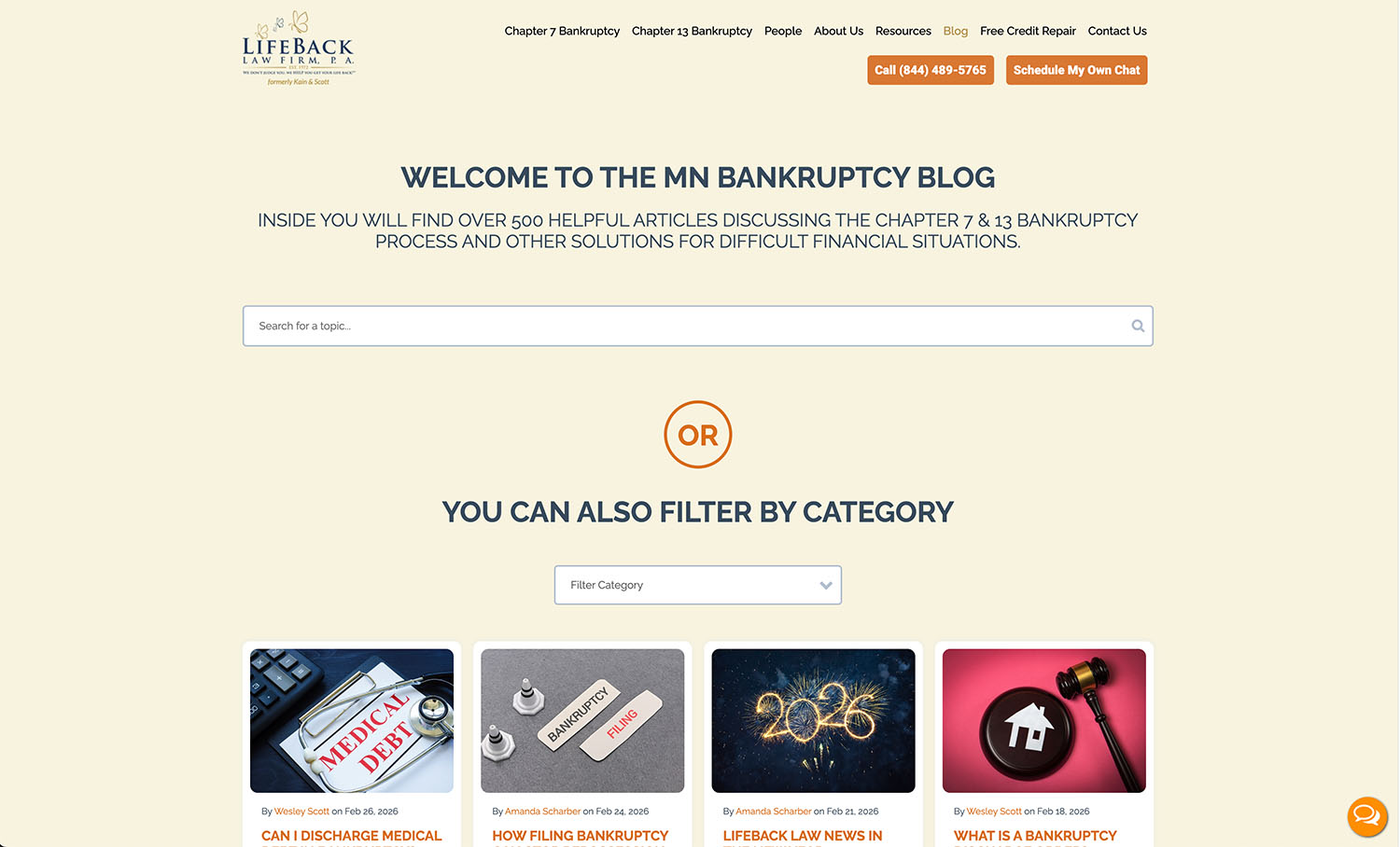
Entice the click with a bold statement or promise
The LifeBack Law Firm blog grabs attention with a resource list of 500+ articles for individuals filing for bankruptcy:
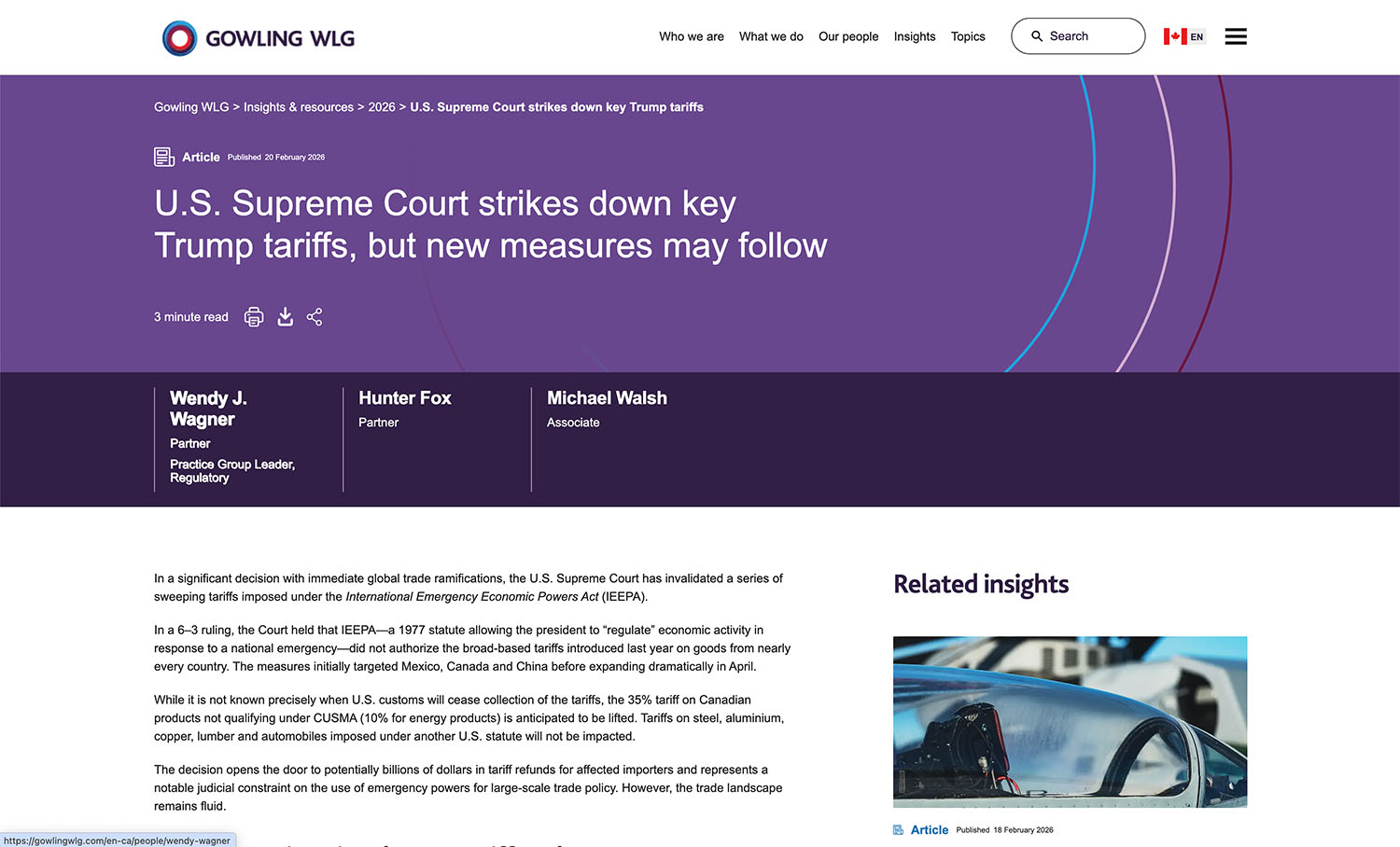
Focus on the hottest topics in your field
There are few hotter topics at present than the one that Gowling WLG write about here:
Provide an opinion on topics that are relevant to your audience
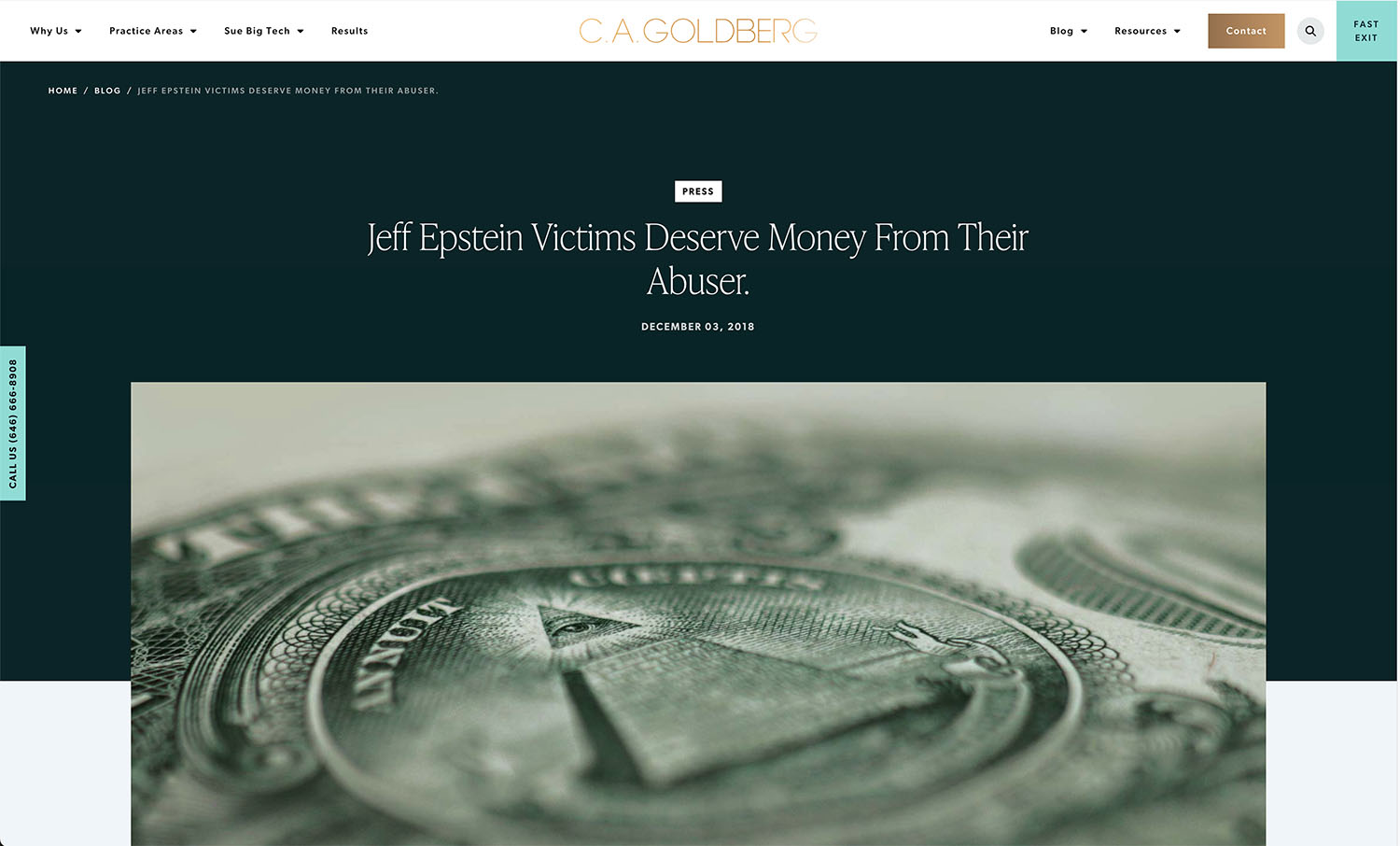
In blogs, it’s OK to share your opinion. In fact, it helps to demonstrate personality and character.
The C.A. Goldberg blog is not shy in voicing its opinion on a topic that was in the headlines recently:
Write your blog primarily for your audience. But also bear in mind how the search engines display your page title and description.
You only have around 55-60 characters to play with (including spaces). Exceed that and Google will truncate the headline in its search results.
This can discourage potential readers from clicking through.
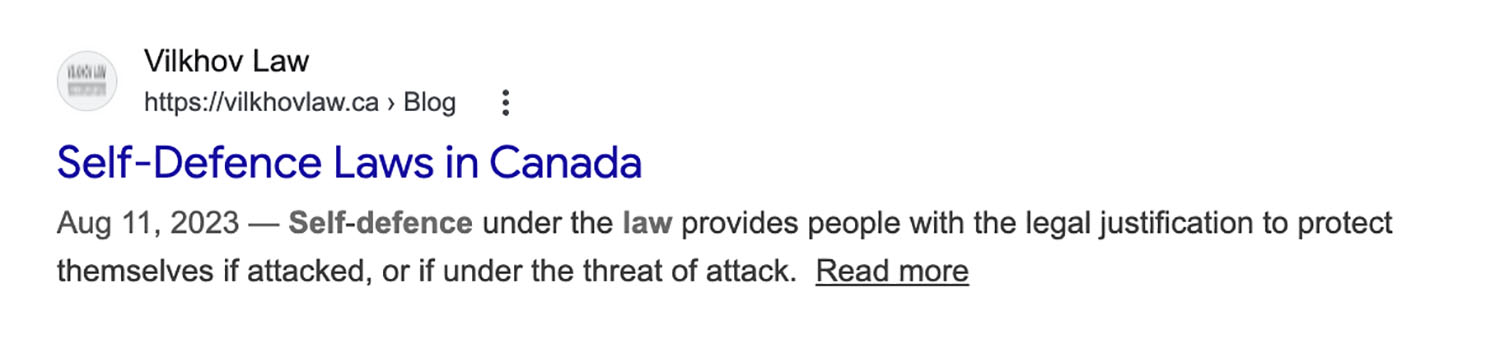
For example, look at Adam S. Kutner’s blog.
Here’s how it shows in Google’s search engine results pages (SERPS):
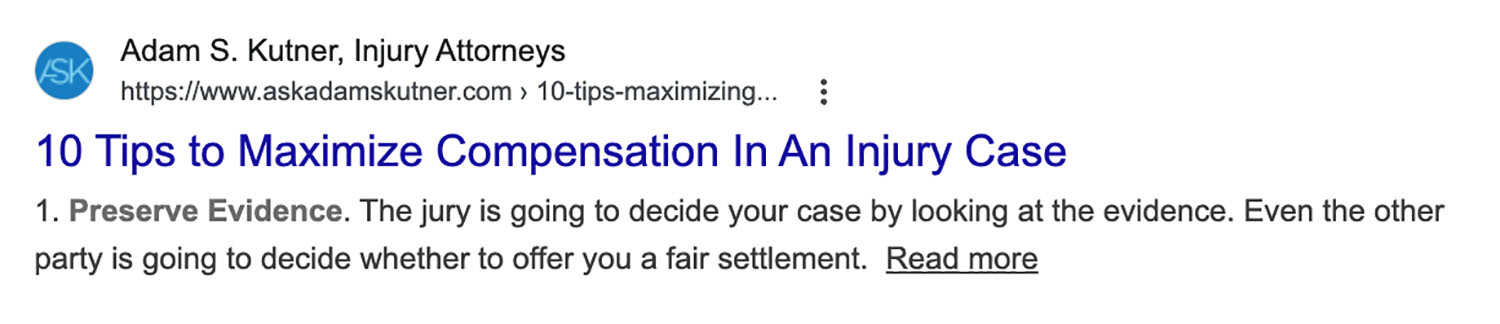
This is great. Not truncated, and straight to the point.
PRO TIP
Try to use your main keyword first in the title tag (often the same as the first words of the WordPress page title). Then include a tagline to compel people to click your link instead of a competitor in the organic search results.
For instance, your page title could be this:
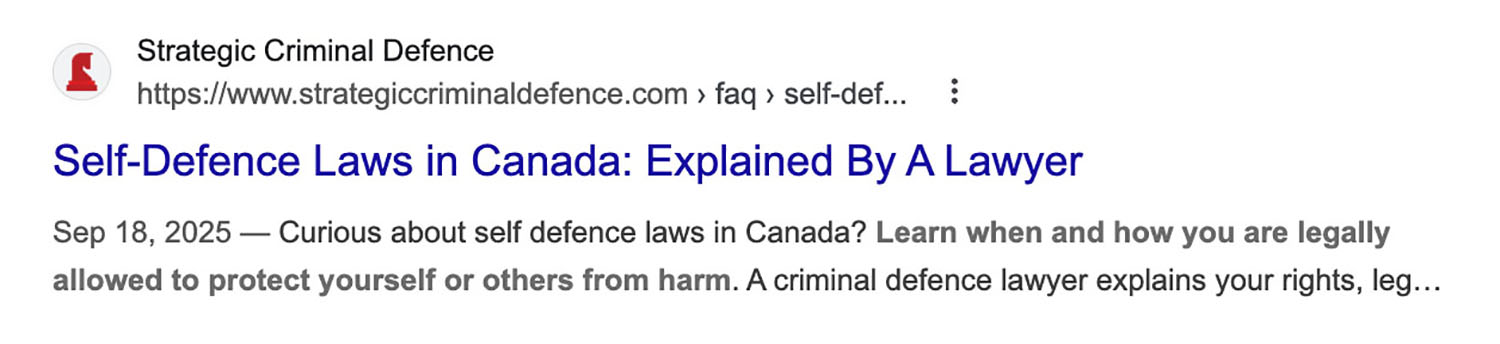
See how “explained by a lawyer” provides additional incentive as compaired to a snippet like this?
The “other” important technical part of blog writing is to master compelling meta descriptions.
This is the text that search engines display on results pages beneath the page title.
People will generally read the title first. If they like what they read, they may check out the description before clicking through to your post.
So focus on convincing the reader to click through.
Say you’re a new parent looking for estate planning tips on Google.
You’ll see this entry from Morgan Legal Group in New York:

Note how the description below the page title encourages you to read the essentials and get in touch. This is highly likely to get click-throughs from potential readers.
And they’ll see this when they do:

Conversely, do you see how improvements could be made to the following description?
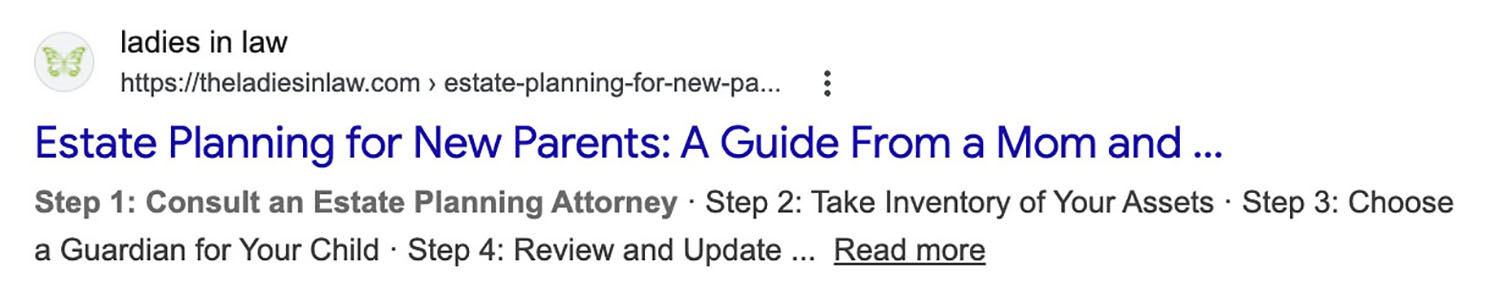
It’s important to note that you cannot always control your meta description. Google often crawls the information on your website, and auto-generates one for you.
Do you know what your target audience is searching for?
You probably have some idea but you need to get specific about this. Once you know this, you can shape blog posts around these FAQs.
Fortunately, there are a few great tools to help you.
My personal tool of choice is ahrefs keyword explorer.
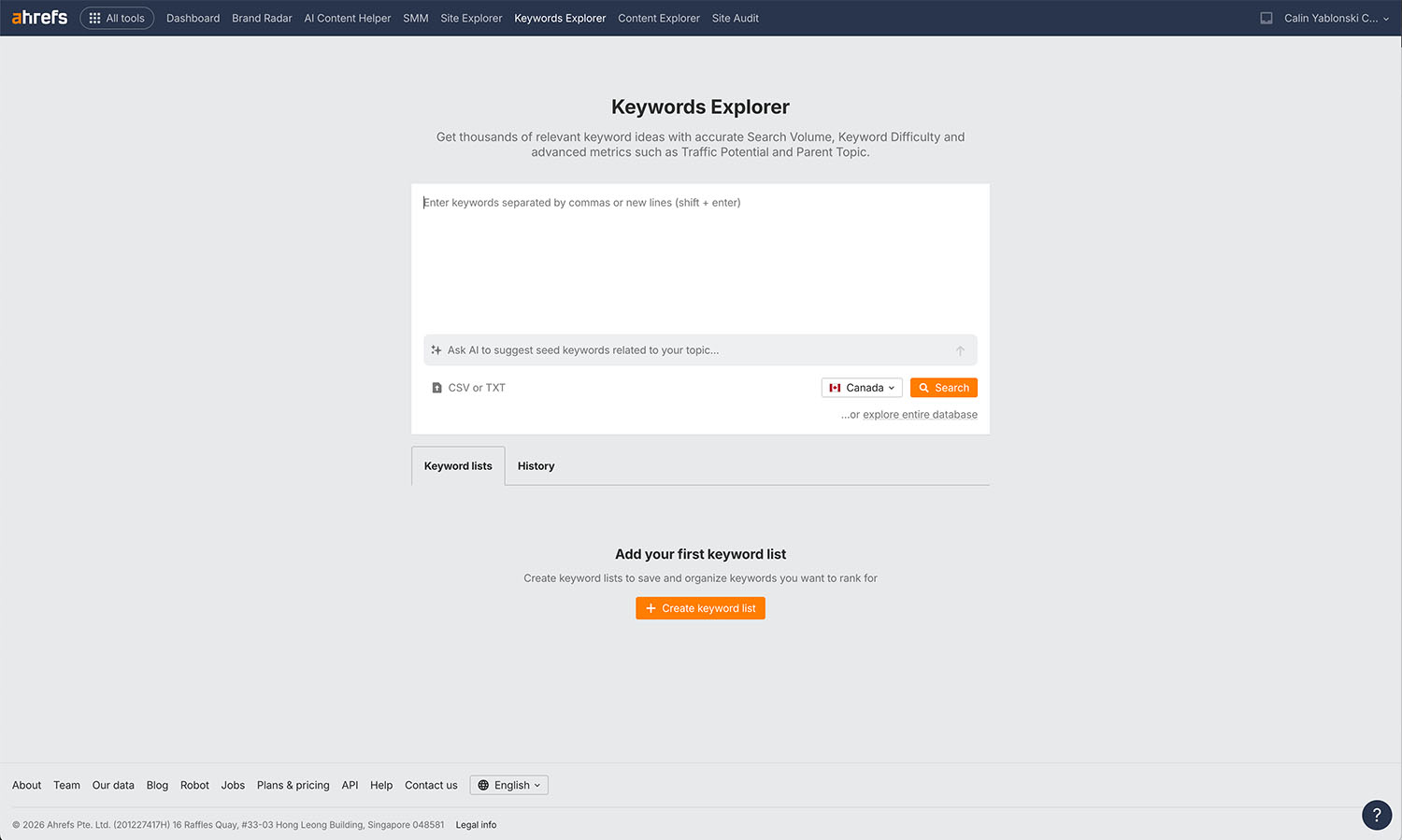
Simply type in a topic and the explorer will return the most popular questions, keywords, and terms on the topic from across the web.

I find the matching terms section to be especially helpful.

You have a wealth of knowledge in your head that people want to know.
While legal matters are serious by nature, you need to resist the temptation to write in “legalese”. By following the other tips in this post, you’ll improve your blog writing but, first and foremost, write in clear, simple English.
This way, people will get the information they need and feel that they can connect with you. Legal jargon just confuses people, and confused people almost always say “no”.
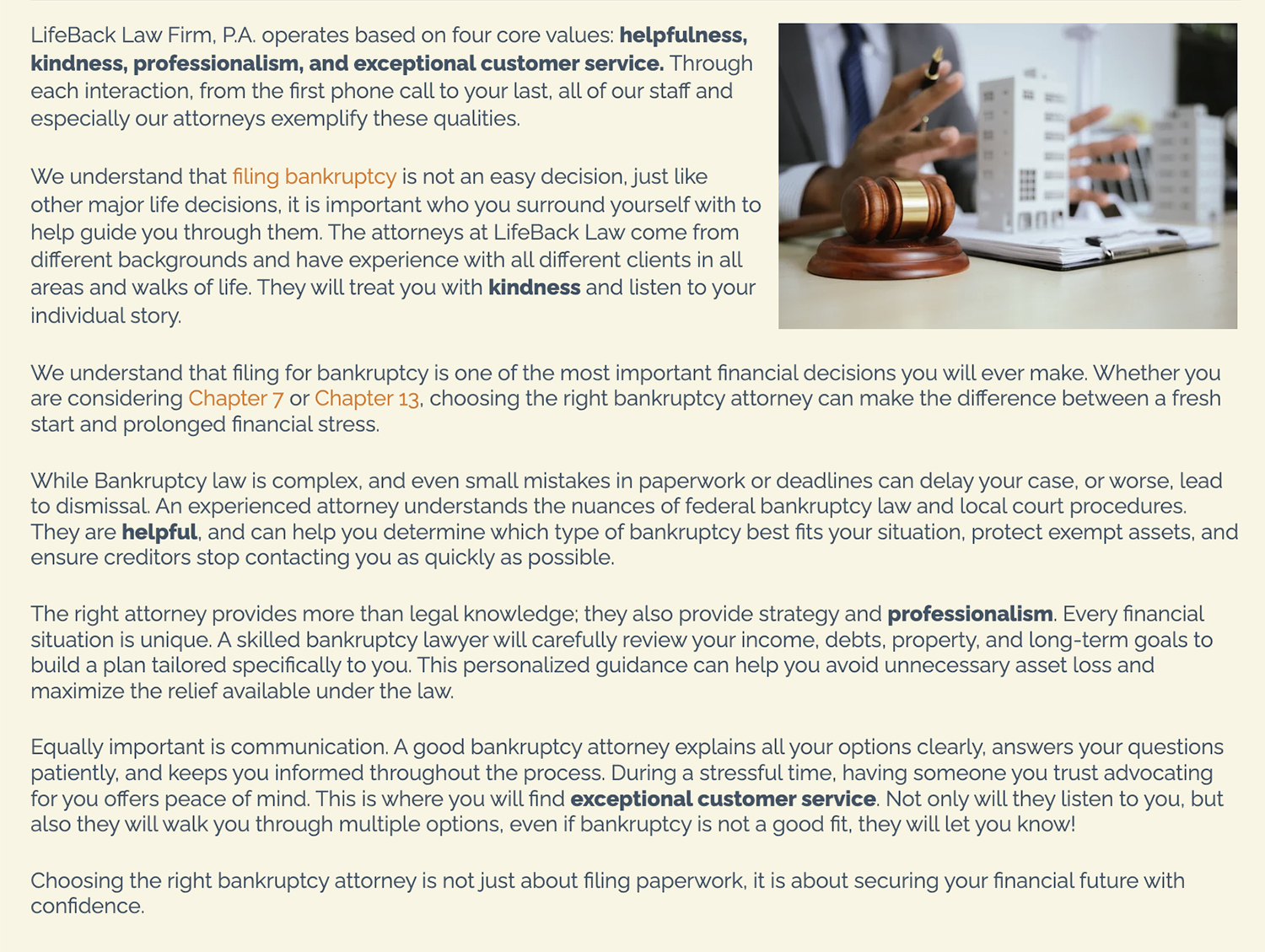
Notice how this blog post from LifeBack Law Firm introduces its article in a conversational way:
You may not be the best marketer around but you don’t need to be.
Focus on communicating and connecting with your target audience and the rest will follow.
Blog readers (like most people) have short attention spans when it comes to online content.
Even if they’re committed to finding out a particular piece of information, it’s unlikely they’ll be prepared to wade through paragraphs of text to find it.
Make your posts easy to read and engaging.
Nothing engages readers quite like images, graphics, or video. Aim to include as much of it as possible to brighten up your post.
You can even use a little humor like the Broden & Mickelson blog post below:
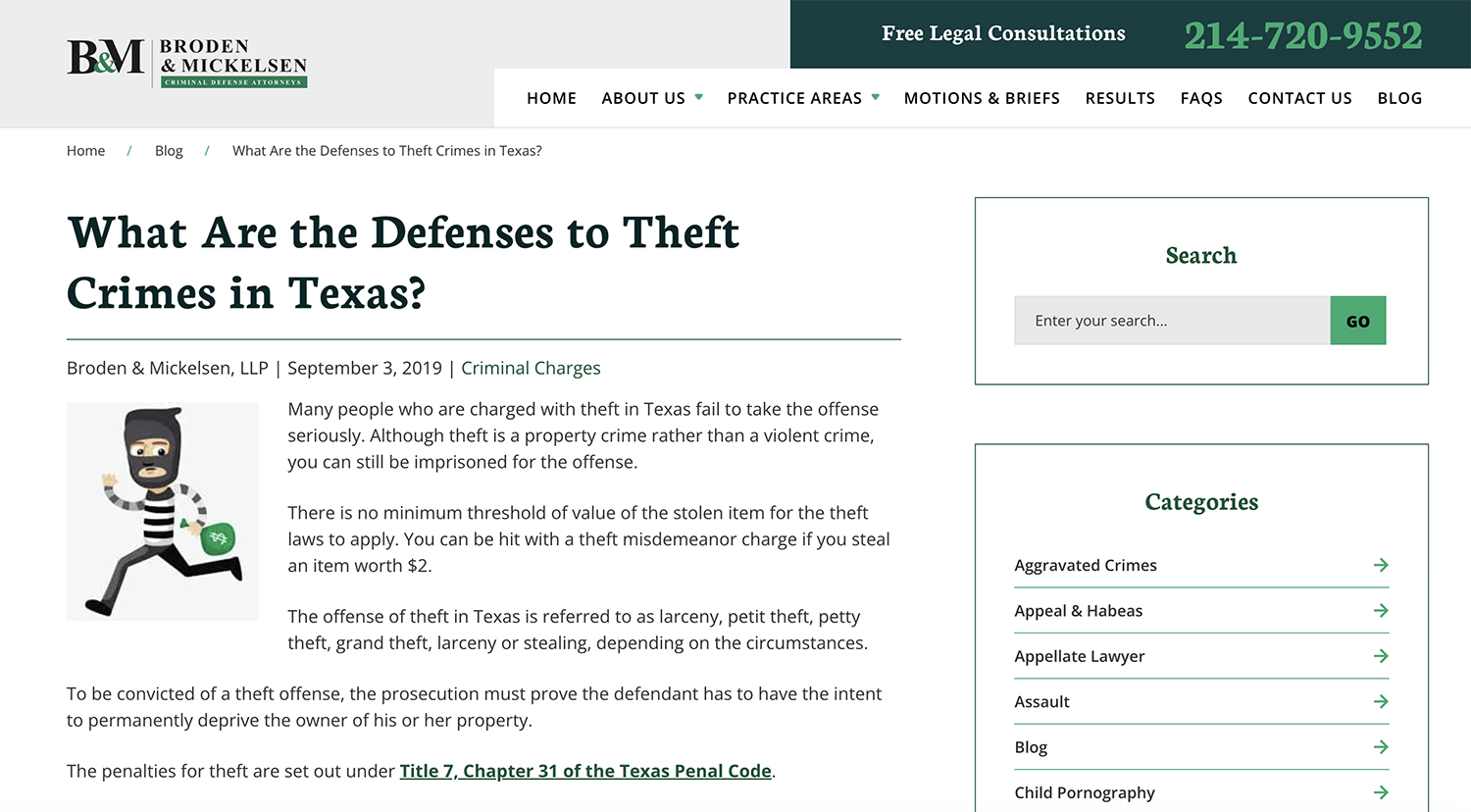
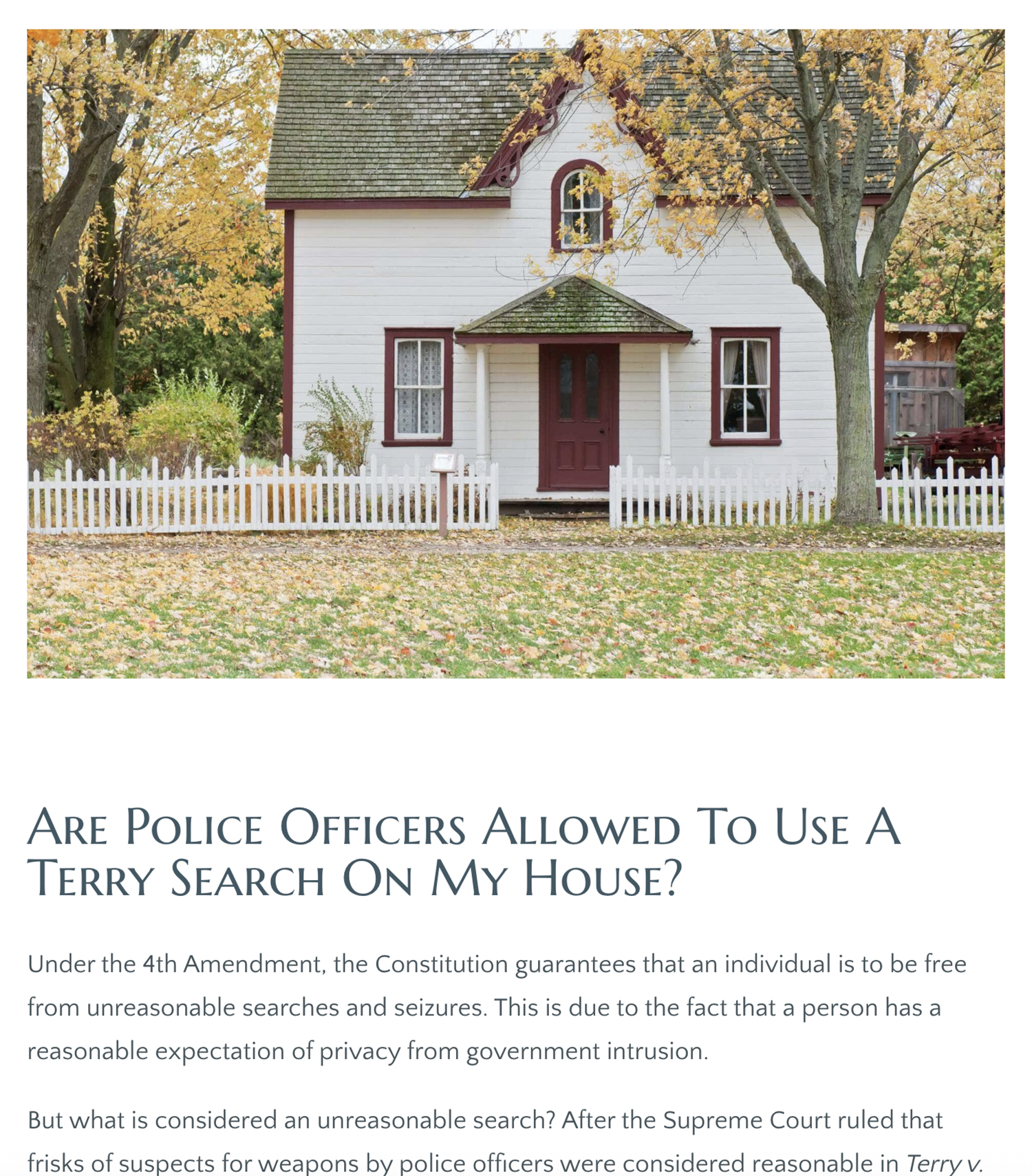
Most blog posts start with an image but don’t restrict the use of images to the beginning of the post.
The Minick Law blog posts include images throughout the post, helping to break up blocks of text; like this one about search warrant requirements:
In this post from the Strategic Criminal Defence blog, note how the graphic breaks up the text and makes it easier to read, as well as providing valuable information to the reader:

And this post from Baker McKenzie on Canadian employment law benefits from a table that allows readers to skim read the section:

Making your posts easy to read means breaking paragraphs up and using short sentences wherever possible.
According to Dr. John Morkes, short sentences boost content readability by 58 percent.

If you review how I’ve written this post, you won’t find long paragraphs or lengthy, convoluted sentences.
Look how this post from the Brenton Legal blog breaks the information up into easily digestible paragraphs:

Here’s another example of good readability from the Graham & Graham blog:

You get the picture.
Avoid too much of the following, if at all possible (long paragraphs not to mention the legalese language).
It may shock you after all your blood, sweat and tears writing the post but most people won’t read every word.
In fact, people skim read.
Dr. Jakob Nielson found that “scannable” copy boosts readability by 47 percent.
So you need to make it easy for people to scan your blog posts.
Great techniques for enabling this include:
- Bullet points
- Numbered lists
- Break-out quotes
- Sub-headers
Here are a few examples…
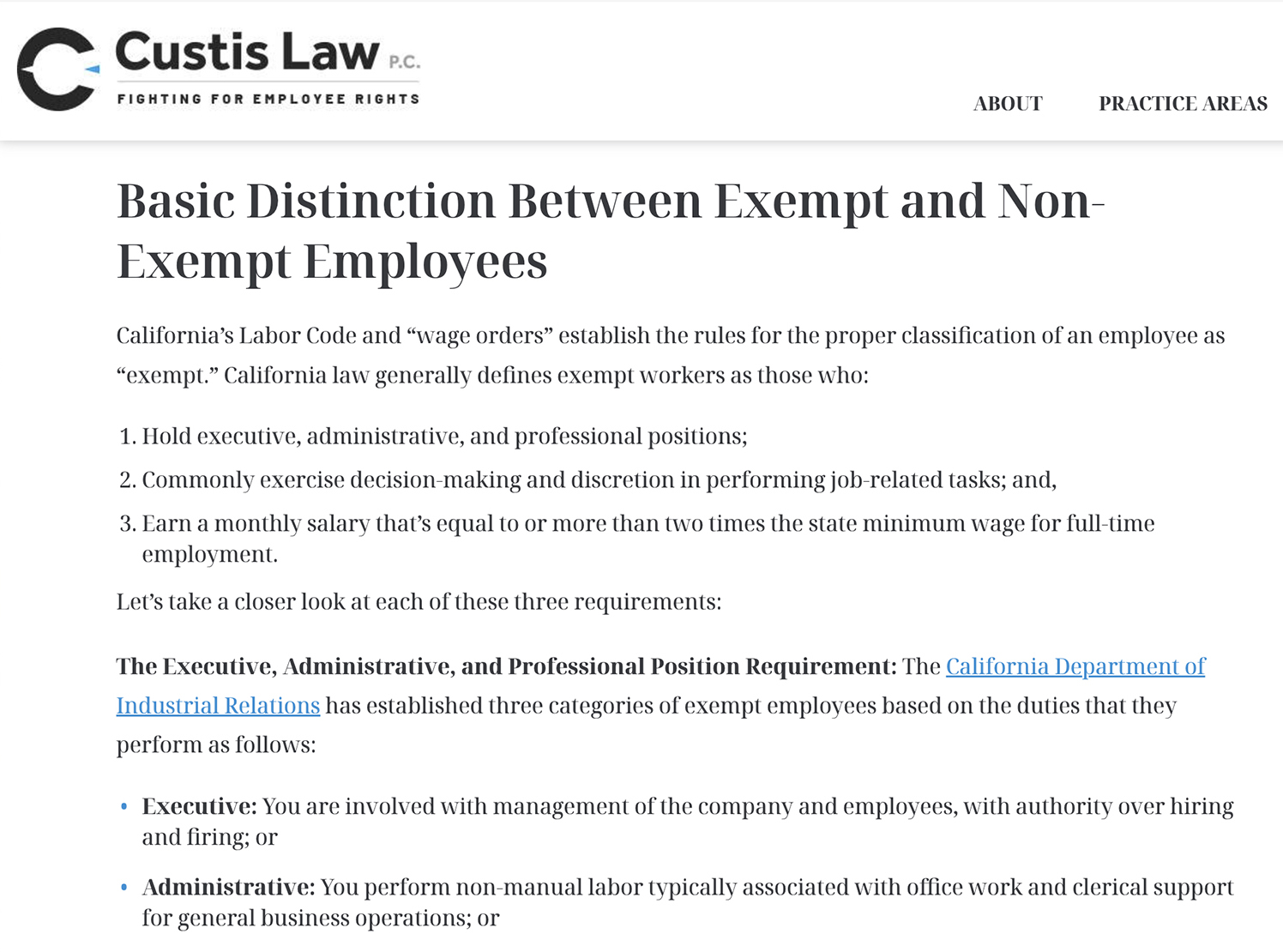
Bullet points and numbered lists
The Custis Law blog uses both of these techniques here:
Quotes
This recent post from the New York Personal Injury blog -an opinion piece on vigilante law – uses breakout quotes to break up text:

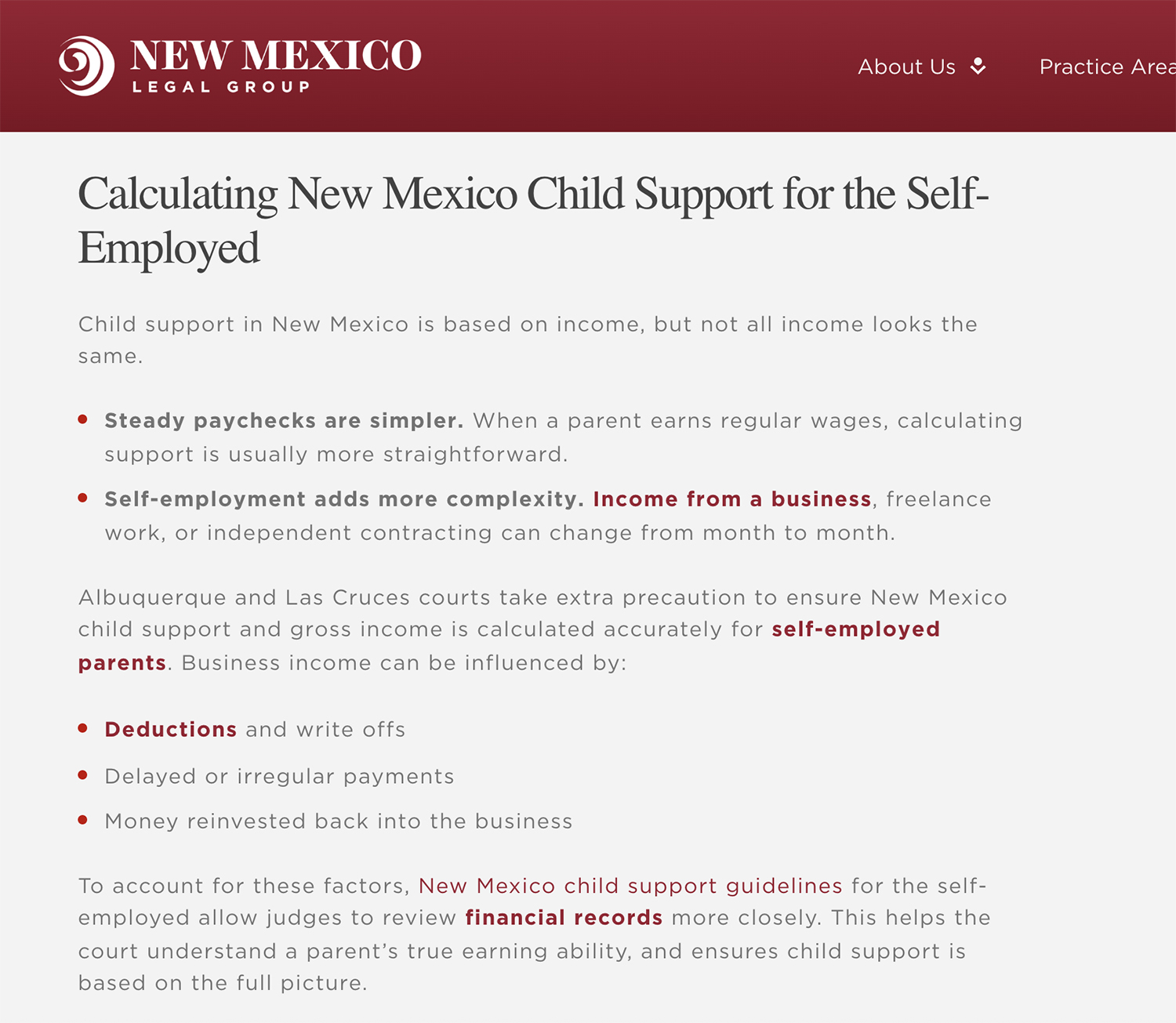
Sub-headers
The New Mexico Legal Group makes good use of this technique across its blog posts:
Linking to relevant sources helps add authority to your post. Internal links help tie it together with other content on your site.
Google loves links.
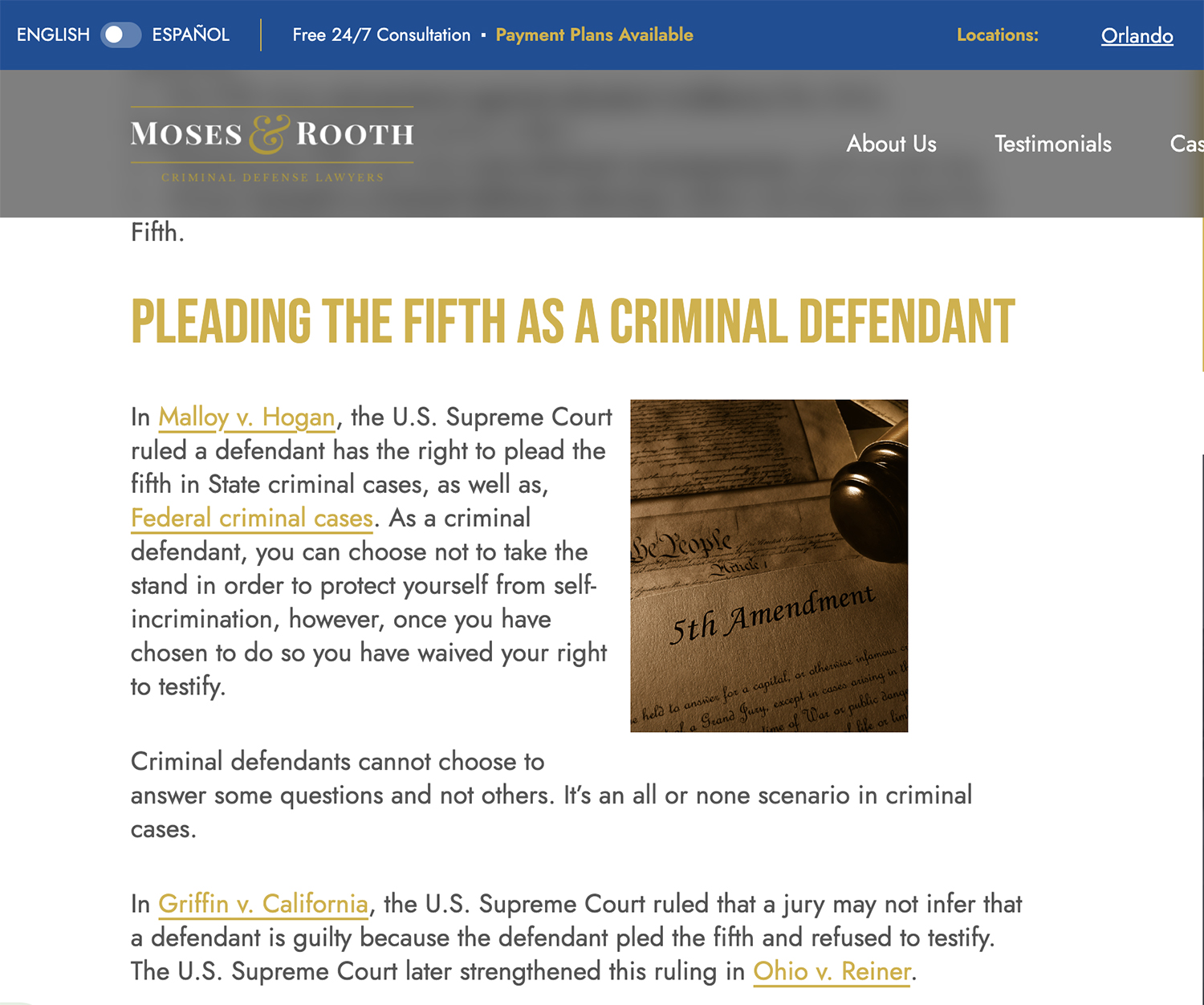
Note how this post from the Moses & Rooth blog includes multiple external links (referencing specific cases) to back up the position that the author takes. It also uses internal links to other content on the site:
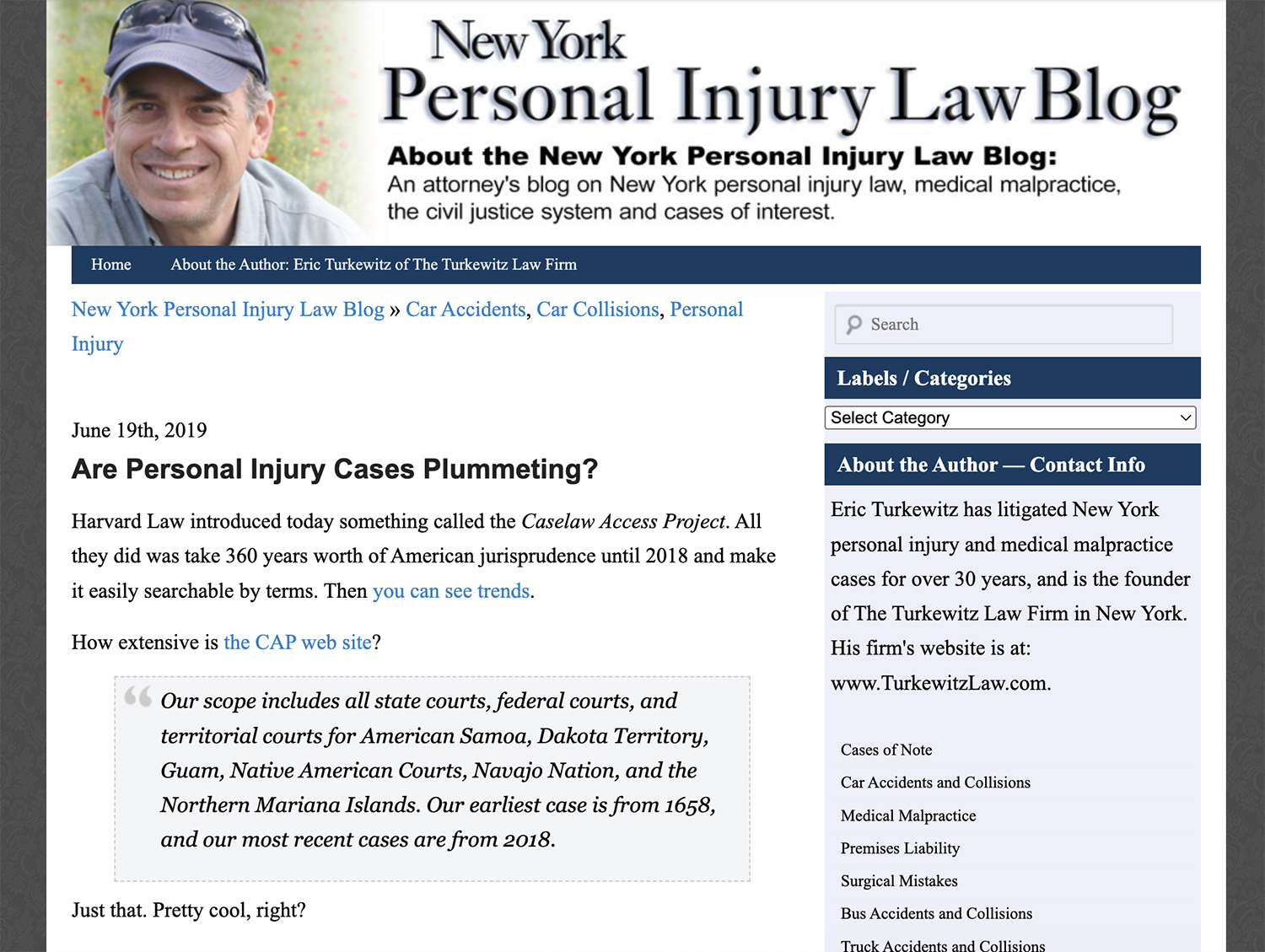
This one from the New York Personal Injury Blog links to Harvard and another “authority site” within the first paragraph:
Nothing is more wasteful than spending valuable time or money on blog writing only for nobody to read your posts.
We’ve already covered a couple of the requirements: compelling page titles and descriptions but you should also get familiar with shaping your posts around a target keyword.
To get them seen and read, it helps to know some basic SEO.
Start by including your target keywords into your articles.
Check out how this example from the Colorado Legal Group does it:

It looks like the law offices of Stephens T. Rodimer targeted the keyword “domestic violence and child custody” in the following post:

Most law firms don’t have the time or SEO know-how to go too deeply into this.
Learn the basics and the rest can be managed by a professional SEO firm or law firm marketing agency.
500 words or 5,000 words?
Long format is increasingly the way to go.
It’s often impossible to go into enough depth in a few hundred words. So throw conventional thinking out of the window.
Wherever possible, write long-form posts that cover your topics in depth.
Whether that’s 1,000 or 5000 words, Google will reward you with better rankings, as it encourages backlinks to your content.
Don’t believe me?
Here’s what one of the “kings” of search ranking know-how says in his content study:
“Long–form content gets an average of 77.2% more links than short articles.”
Brian Dean, Backlinko
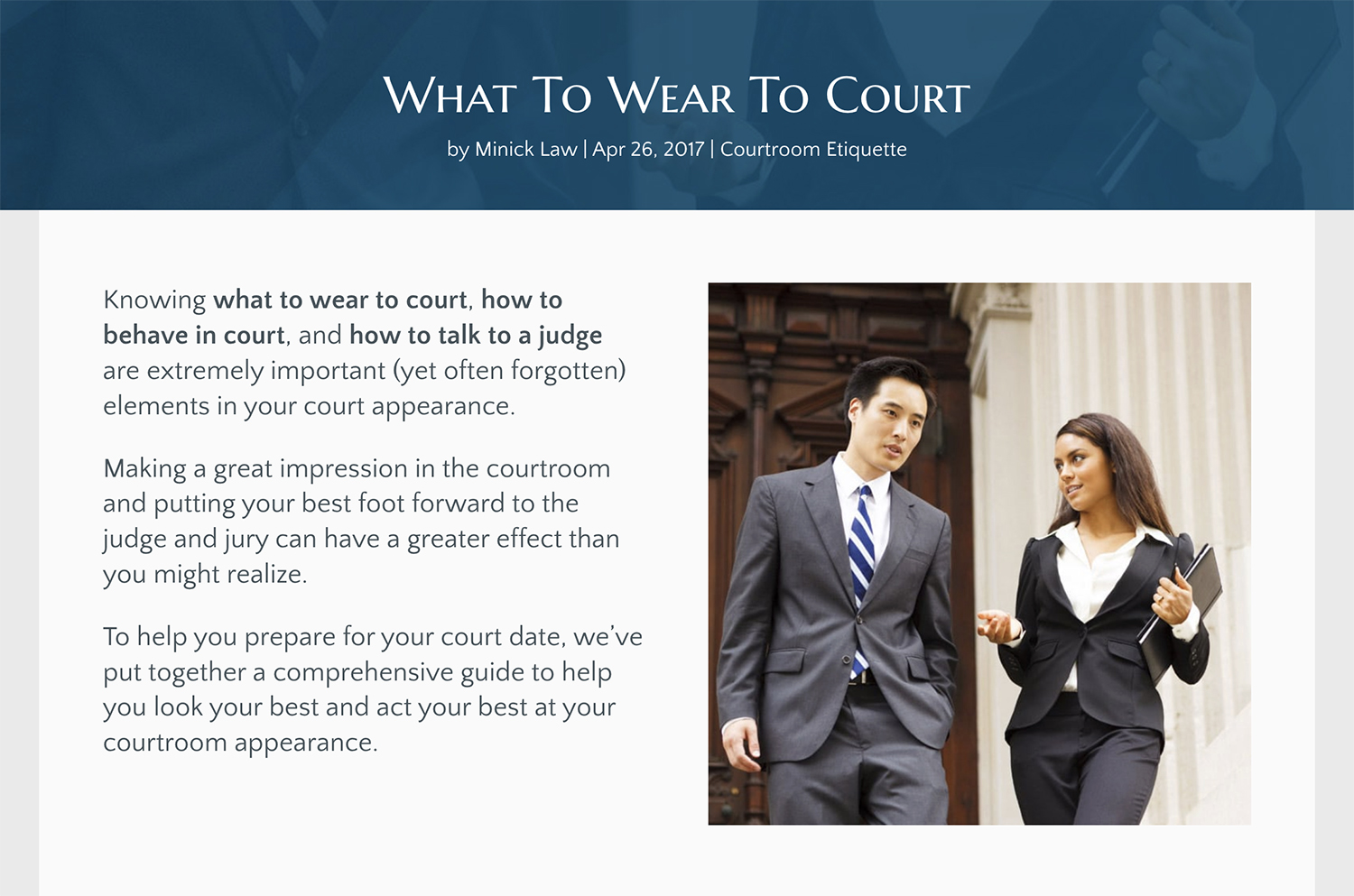
The Minick Law blog is an excellent example of a law firm going into depth on its subject.
This post about courtroom etiquette is over 2,000 words long and includes imagery and break-out boxes to make it easy to read.
It includes sections for men and women.
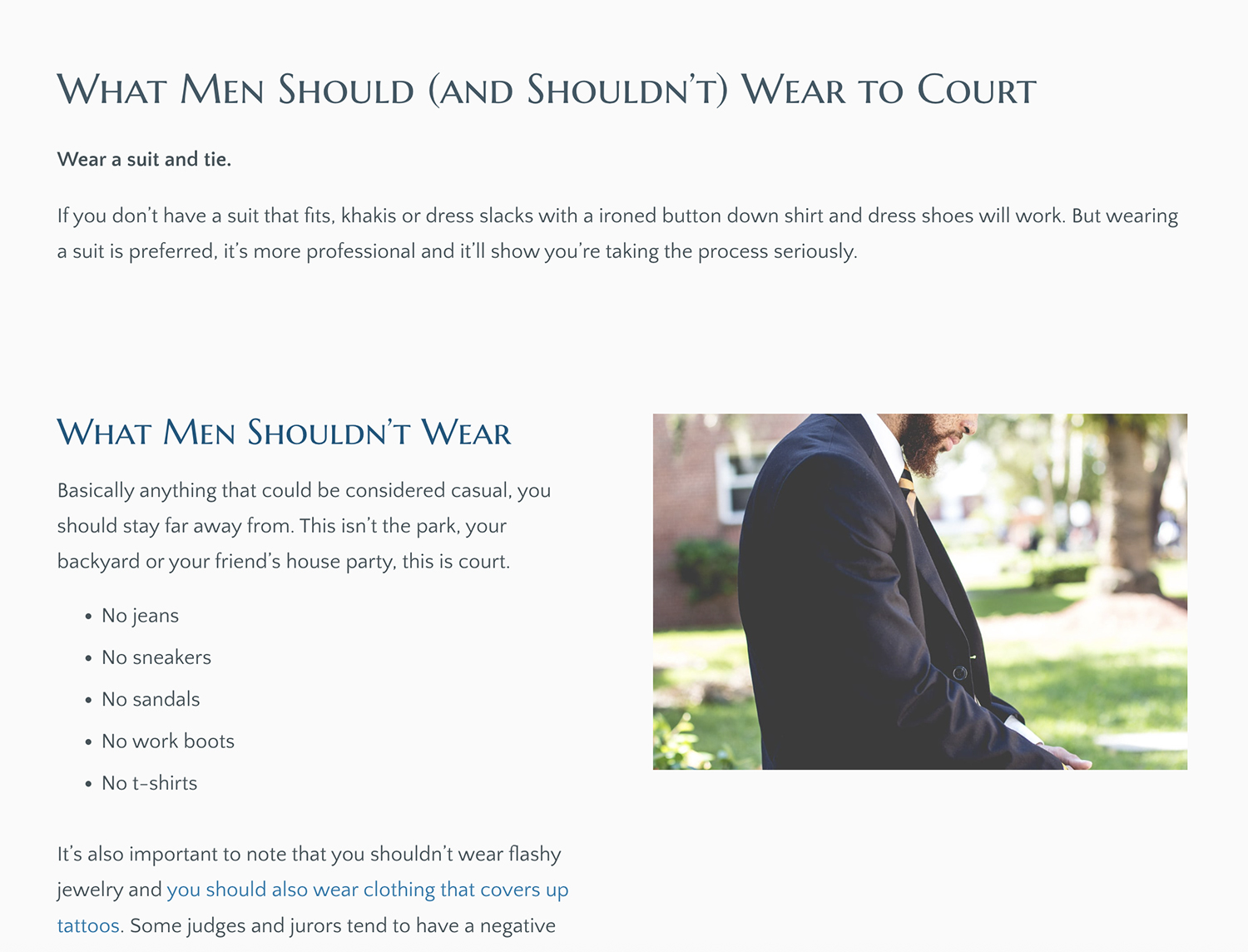
And it’s neatly broken into sections.

Capture new reader details directly from your blog posts by including a subscribe form on the page.
Every time you write an informative new blog post, send a newsletter out containing an extract from the post and add in your marketing messages alongside it.
This makes smart use of your content, ensuring that it reaches your target audience each time you spend time and money writing a post.
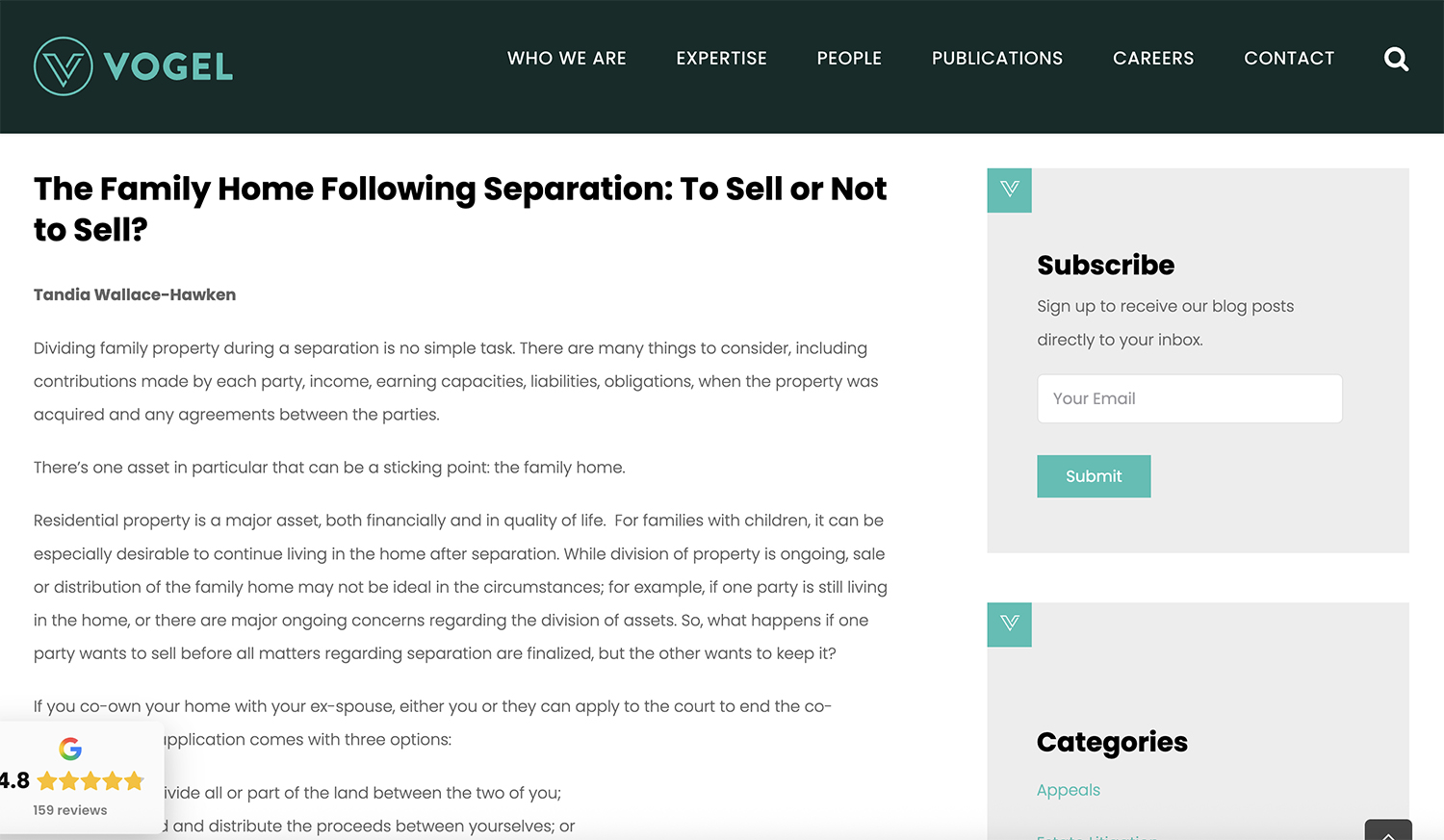
Vogel LLP includes its newsletter subscription form in the sidebar of every blog post:
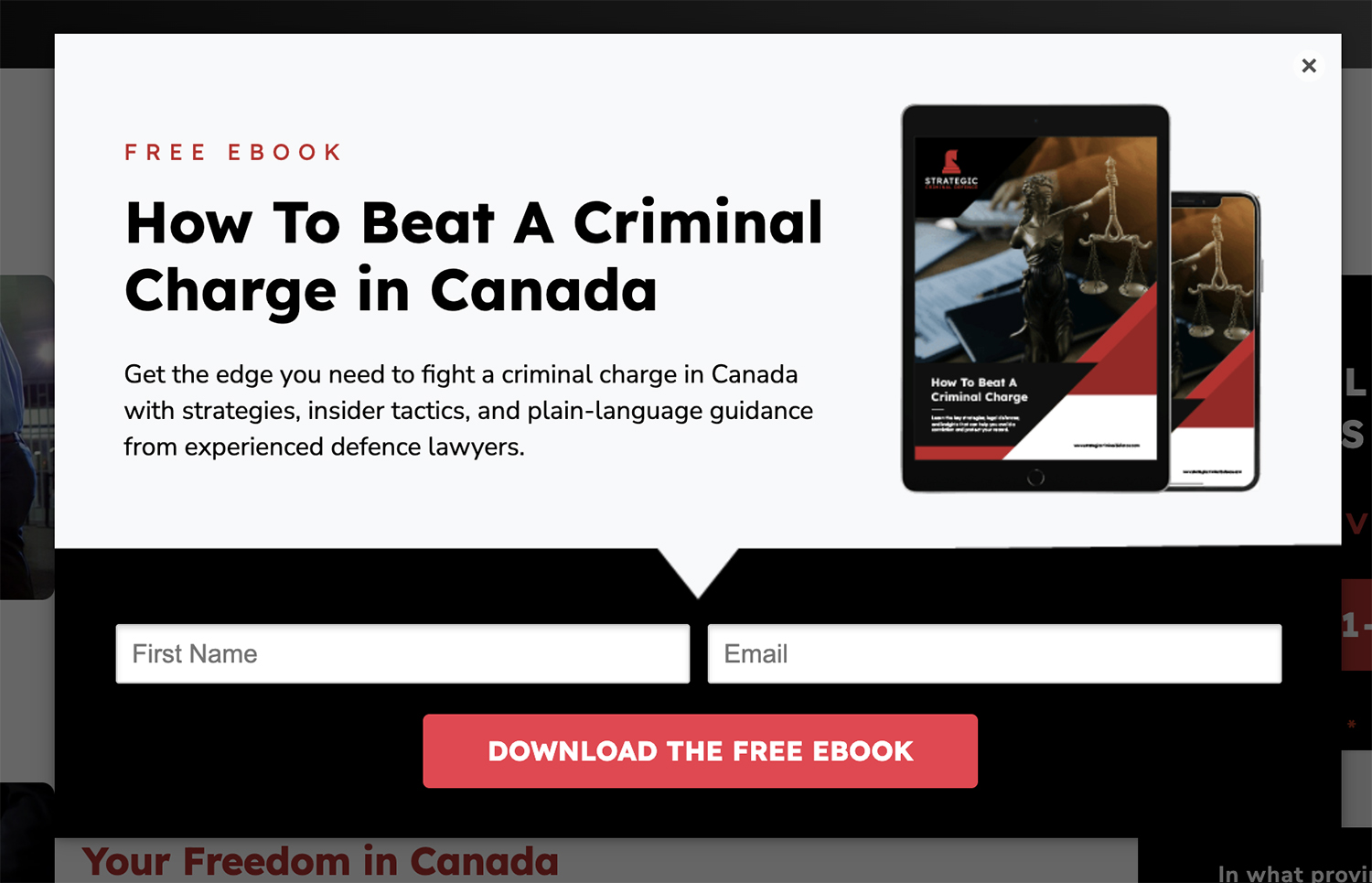
Another option for increasing newsletter subscribers is to offer free gated content, like Strategic Criminal Defence.
We touched on this point earlier but it deserves a mention on its own – via a numbered point, of course!
Nobody is too sure why but numbered lists simply work.
And this may surprise you: odd numbers are best.
I know, I know. It doesn’t really make sense – and the previous example in Point 2 was “8 Ways to Get the Most Out of Your Personal Injury Compensation”.
Even numbers are fine but all the evidence says that odd numbers are better.
Over to the content and search expert again, Brian Dean from Backlinko:

While the above advice is not specific to law firms, it will still pay to follow it.
Perhaps the reason that people love list articles is that the title sets clear expectations of what’s contained and readers know what they’ll read is broken down into easy, bite-sized chunks.
Take this example from the Strategic Criminal Defence blog:

People reading this headline know exactly what they’ll get. They won’t expect it to be difficult or time-consuming to read.
Remember that the purpose of writing blogs is two-fold: to reach out to your target audience but also to be seen.
A great way to increase your visibility as a law firm is to create sharable assets and feature them in blog posts.
The most effective way to do this is with infographics.
Following is an example from Cowan Law Chambers.
Do you see how this graphic would appeal to their target audience and encourage shares?

The Fitzgerald Law Company features this simple infographic on its blog to inform people about how to protect their constitutional rights:

Leading on from the above example, another way to raise the profile of your law firm online is to show that you’re active across social media.
Bear in mind that people will only share across the main social platforms if the content is useful to others in their community.
So focus on creating valuable and informative content that answers their questions.
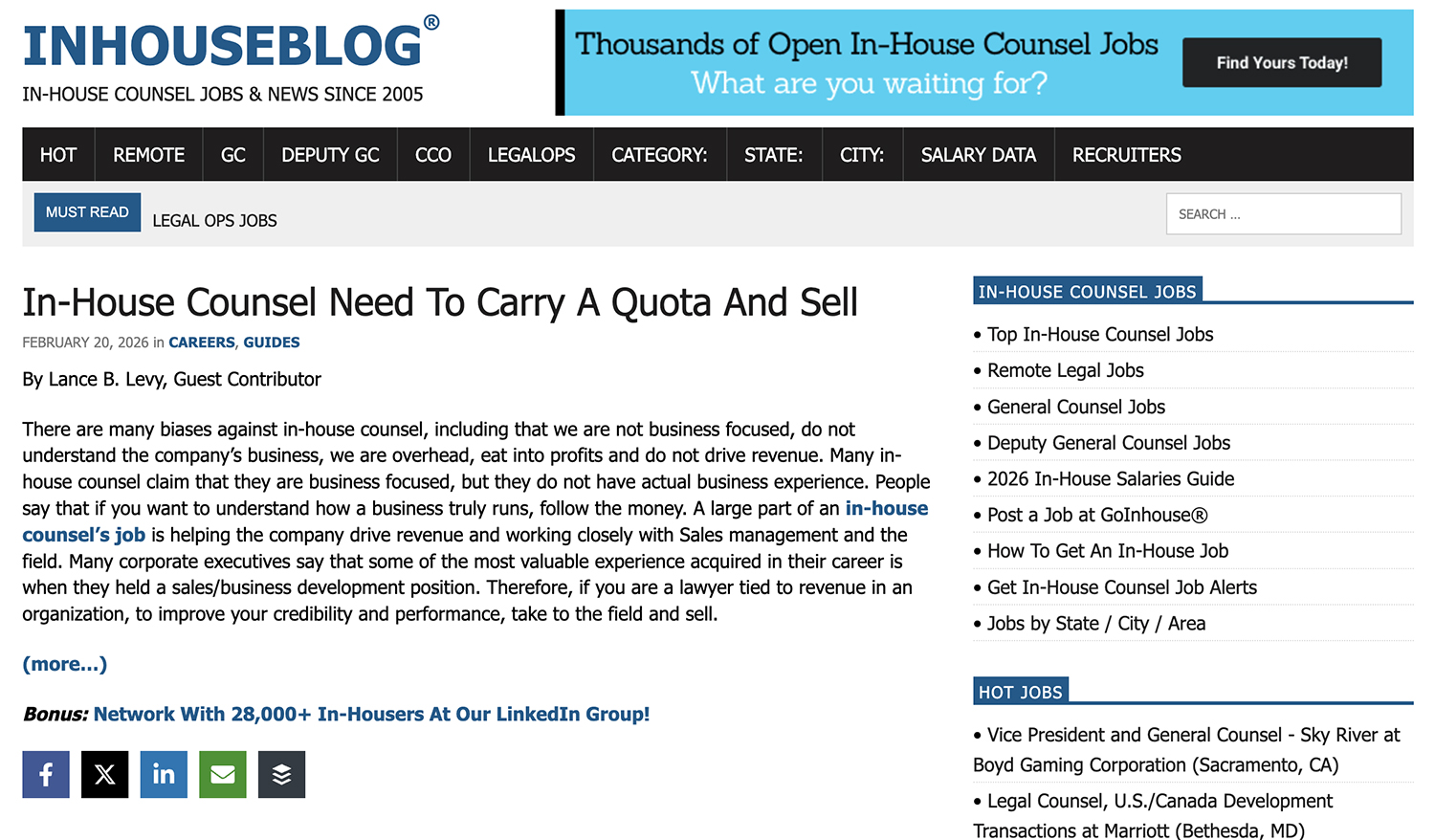
Always include social sharing buttons on your blog pages so that posts are sharable across Facebook, Twitter, Instagram, LinkedIn, etc.
Here’s an example from InHouseBlog:
Descriptive URLs confirm to your reader what’s in the post and also help your content get picked up by the search engines.
Ideally, the URL will contain your main keyword for each blog post.
This will aid search rankings and should improve the number of potential clients who see (and read) your posts.
So, say you’re targeting the keyword “File For Divorce Arizona.” You may write a blog post entitled “How to File For Divorce in 2026” or similar.

Readers will want to know the differences between contested and uncontested divorces and so the URL might be:
www.example/contested-uncontested-divorce
They can tell just by looking at the URL what it contains and the search engines also know. It’s a double-whammy.
The worst thing about a blog is when you allow this to happen:

While the website above is otherwise perfectly acceptable, it needs to address this blog problem.
No new content for over a year sends out all the wrong messages to visitors and to the search engines.
Google loves regular, relevant, up-to-date, high-quality content and it’s one of the key ranking factors.
Add content regularly to demonstrate that you’re alive and on the case!
It doesn’t matter what you call them: blogs, articles, news, resources. Reaching out meaningfully to your target audience is always a good investment of your time and resources.
With the potential value you’ll generate from blogging, it really is time to get started.