
You know how to draft legal documents, but you likely weren’t taught about design principles in law school.
You could go your entire legal career without ever thinking about design elements like fonts or law firm logos. But you’d be missing out on building engagement and strengthening your law firm’s brand.
Your legal documents, including your contracts, legal briefs, and memos, will look a lot different than your law firm’s website. It’s easy to get overwhelmed with all the design decisions.
In this article, we’ll go over different legal fonts for your legal documents and marketing material, why it matters, and tell you what the court recommends.
Legal font type is whatever font you use for your legal documents. This includes your legal briefs, memos, and court documents.
Your font is important for readability and clarity. Using decorative or otherwise hard-to-read fonts can make you come across as unprofessional, and at worst, incompetent.
Comic Sans is a classic example of an unprofessional font.

Let’s dive a bit deeper into the importance of legal fonts.
Clarity and professionalism
Your font of choice speaks volumes about your level of professionalism.
Think about who’s going to be interacting with the document and in what format. A font that works well for your physical contracts might not be as legible when your law firm goes paperless.
Paperless law firms use a lot of digital document services like DocuSign, and more and more legal professionals are viewing them on their mobile devices. Choosing a legible font can make all the difference in these scenarios.
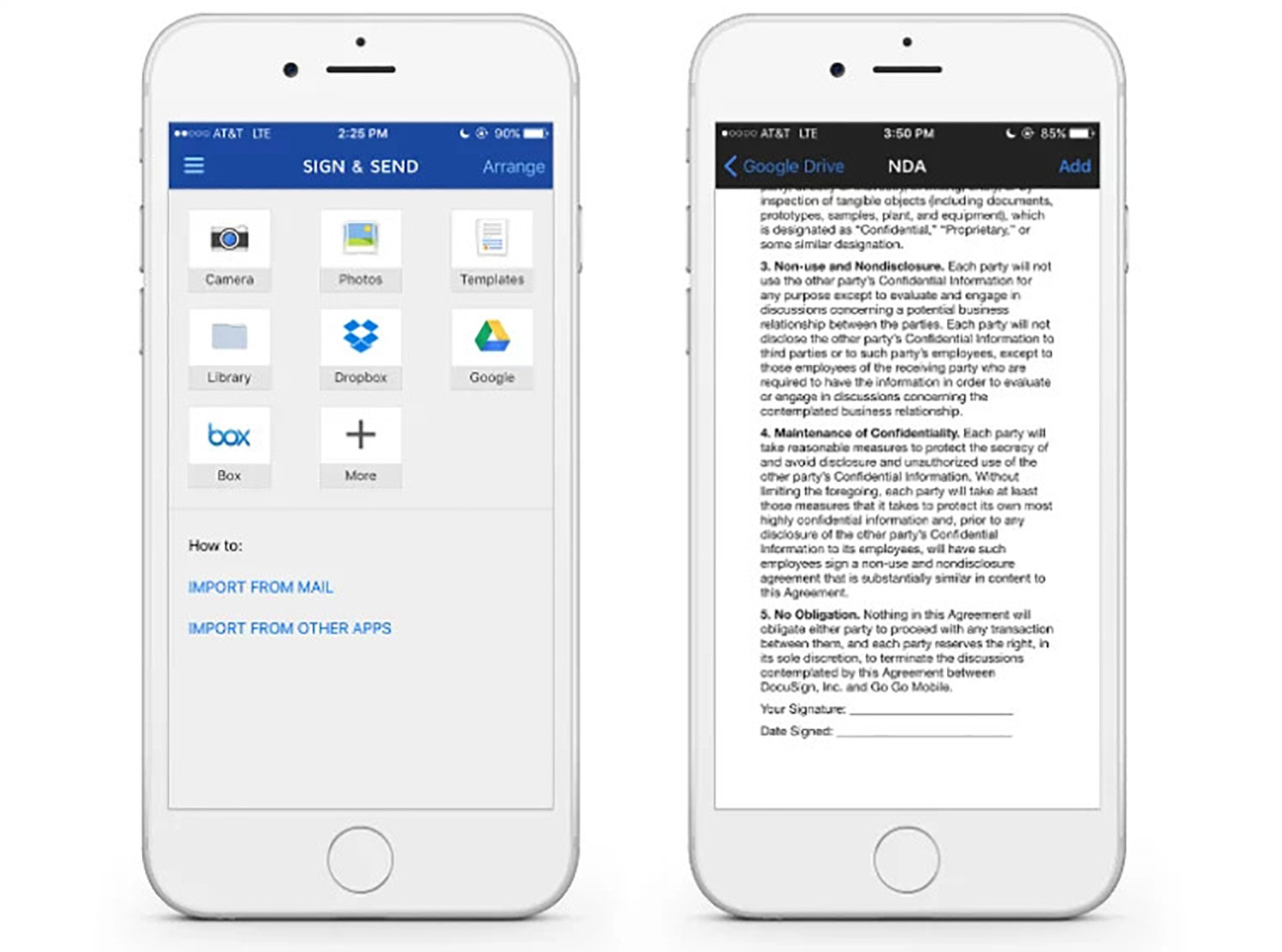
Optimize your legal documents so that they’re legible on every screen (and in-person). This communicates to potential judges, attorneys, and clients that you care about their experience and goes a long way in building your client-centered law firm.
Make a good first impression
There’s nothing wrong with using the default fonts — think Times New Roman and Arial. They’re standard fonts across the web for a reason.

But using one of these fonts says a lot more about you than you think.
It communicates apathy on your part, as you aren’t making a conscious choice to use one of these fonts. You aren’t making any choice, really.
Choosing a font to represent you and your brand lets your readers know that you care about your writing and how it’s perceived, making your first impression a good one.
Branding
If you’ve read our guide on starting a law firm, you’ll know the importance of branding.
Your law firm is a business, but it’s also a brand. And every reputable (and successful) brand puts thought into their style.
By that, we mean:
- Logos
- Colors
- Imagery
- Fonts
Take a look at how Dennis and King use their font stack to draw reader’s eyes down the page.

All of the content on your website should be consistent in style, and font plays a huge role in that. Imagine if your favorite brand suddenly started throwing in random fonts. You’d notice, wouldn’t you?
And this carries over into legal documents as well. While not a form of marketing, your writing style will become known by your peers. Keeping it consistent (and unique) is a great way to be recognizable.
Supreme court rules
Jurisdictions will have their own rules regarding what fonts are permitted for legal documents, so be sure to check with your State Bar Association.
Here are a few rules to be aware of:
- The Supreme Court of the United States mandates the use of Century family fonts for all legal briefs.
- The United States Court of Appeals for the Seventh Circuit requires lawyers to avoid using Times New Roman to prevent readers from briefly scanning documents without fully comprehending what they’re reading.
- The Supreme Court of Virginia has its own list of acceptable fonts.
- The Supreme Court of Florida requires the use of Arial or Bookman Old Style in 14-point.
- The appellate court in Connecticut requires the use of Arial or Univers.
Serif vs. sans serif. What’s the difference?
The answer is in the name.
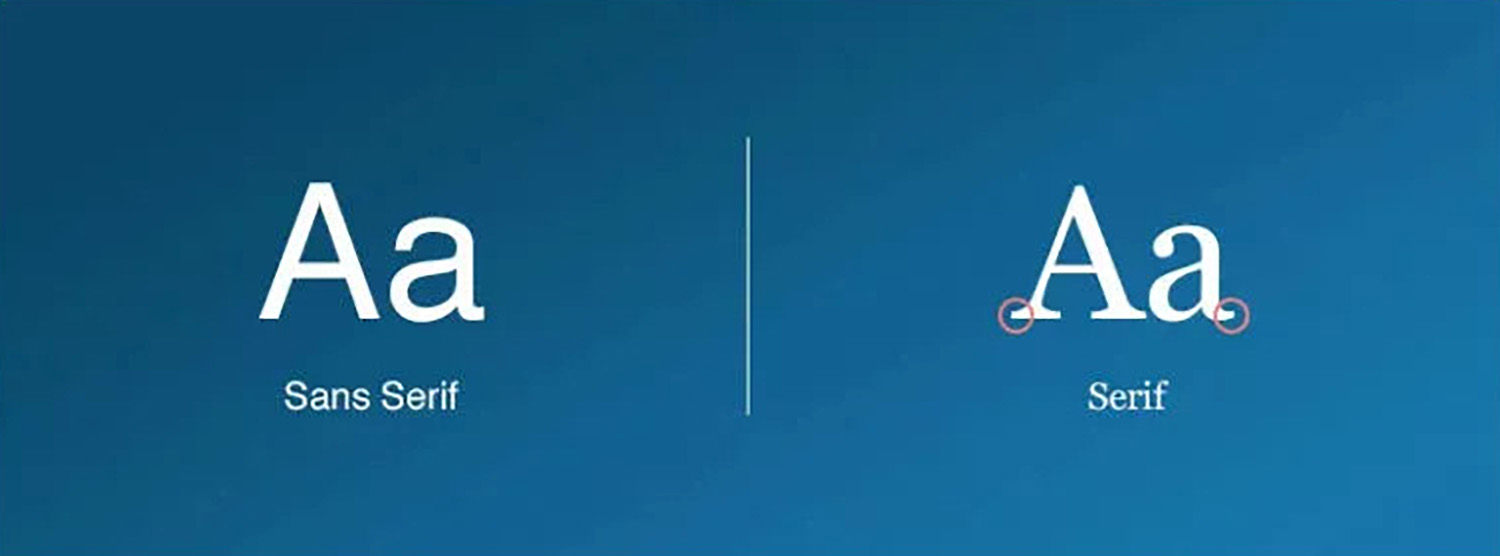
The main difference is the presence or absence of serifs.
Serifs are decorative tapers appearing at the beginning or end of a letter’s stem, commonly called tails or feet.
What follows then is that sans serif fonts do not have those decorative tapers. Instead, they’re clean and simple lines.
You’ll see serif fonts in newspapers, books, and magazines, as they’re easier to read on paper and give a more traditional feel to the page.
Whereas sans serif fonts are simple. They’re the common choice for anything digital, as they’re easier to read on-screen.
When deciding on your brand direction, ask yourself whether you want to come across as traditional and classic or approachable and modern.
With that said, here are a couple of serif and sans serif fonts you’ll find in legal documents.
Serif fonts for legal documents
- Bookman Old Style
- Baskerville
- Georgia
Sans serif fonts for legal documents
- Verdana
- Arial
- Helvetica
As we mentioned, there’s no one-size-fits-all approach to legal document fonts. Some jurisdictions have specific rules, while others just require your documents to be legible.
With that said, these guidelines should help.
Court-approved fonts for your legal documents
In a legal setting, having clear and legible font is essential. And while there’s no official list of permitted fonts, there are a few that are used most often.
We recommend:
- Arial
- Century (and Century-related fonts)
- Bookman Old Style
- Baskerville
- Verdana
- Arial
Font size matters
Like font type, there is no standard font size for legal documents.
The standard font size for legal documents is size 12. Some lawyers increase their font size to 14 to improve readability on screens.
Both are okay, but we recommend starting with size 12 and increasing it if you find the font is too small.
At the end of the day, the only requirement is that your legal document is legible.
You have more freedom in choosing a modern and interesting font for your law firm’s website than for legal documents. But there are some best practices.
Sans serif fonts, while not mandatory, are generally easier to read on screens.
From there, it’s best to choose a web-safe font.
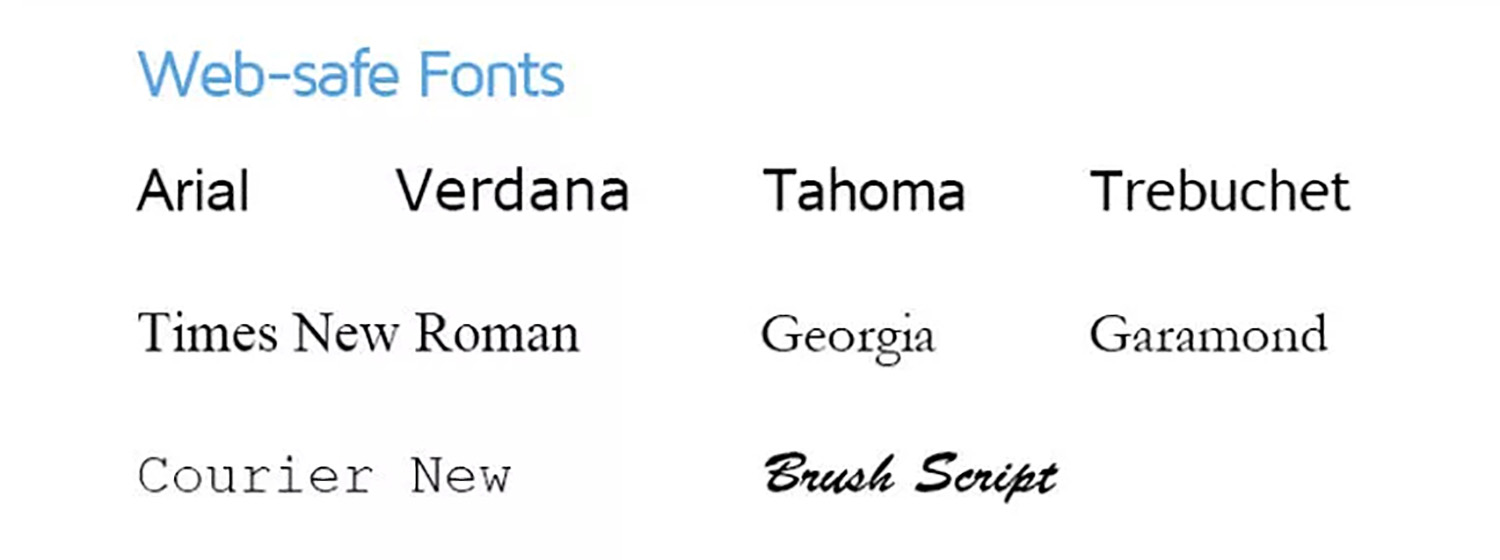
Web-safe fonts adapt to any browser on any device. This ensures that your website visitors all experience your website’s design as you intended.
If you go with a font that isn’t supported across the web, some viewers will see default fonts that could clash with your overall design.
Some sans serif web-safe fonts include:
- Arial
- Verdana
- Helvetica
- Tahoma
- Trebuchet MS
If you’d like a completely unique brand experience, you could license a font.
In the past, fonts would be created specifically for use in certain books. Nowadays, fonts are all the products of software.
And while there are hundreds of free fonts, many of which are suitable for your legal documents and marketing materials, licensing a distinct font could be worth it.
For example, here’s an example of a font you could license from Good Type Foundry.
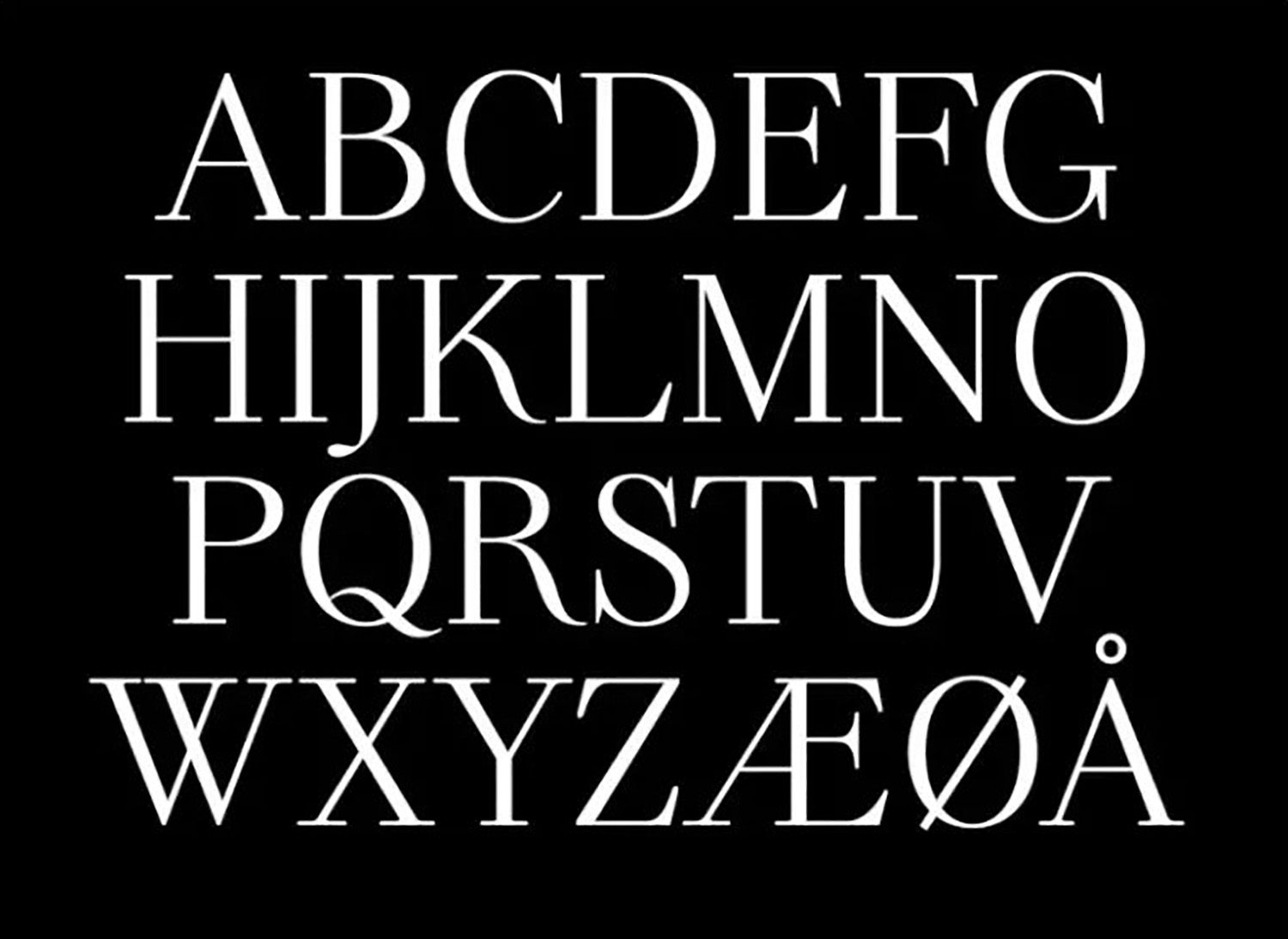
The cost of licensing a font depends on the specific font, what devices it’ll be used on, how many visitors go to your website, and more.
It might not be right for you, but it’s worth considering, especially if you want to level up your law firm marketing.
You could go your entire legal career without thinking about fonts. But now you know why you should at least give your font choice a second thought.
The right font can help you distinguish yourself as a reputable and trustworthy lawyer both online and off.
For your legal documents, you’ll want a font that’s legible and classic, while you’re online font choice should be modern and distinct. Both have the goal of engaging your audience.
At the very least, you now know that Times New Roman isn’t the only choice.